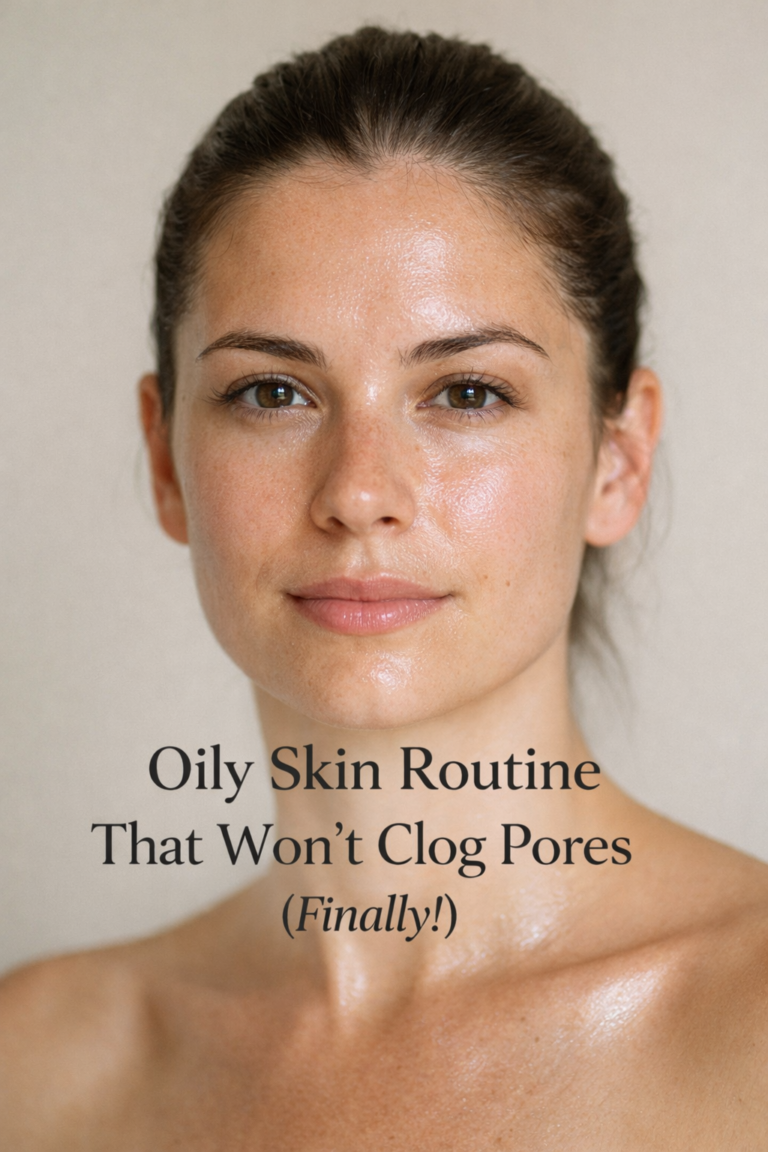
Night Skincare Routine That Actually Repairs Your Skin

Your skin repairs itself while you sleep—if you let it. A smart nighttime skincare routine means fewer breakouts, better glow, and way less regret in the mirror.
Cleanse Like You Mean It (Not Like You’re Punishing Your Skin)

If your nighttime skincare routine starts with half-hearted cleansing, everything after is pointless. Makeup, sunscreen, pollution, and oil sit on your skin all day. Leaving that behind blocks every good ingredient you apply later.
Start with a gentle first cleanse to melt makeup and SPF. Think oil cleanser or micellar water. Follow with a pH-balanced face wash that actually respects your skin barrier.
Pro tip: If your skin feels tight after cleansing, that’s not “clean.” That’s stripped.
People love this step because clear skin starts here—quietly, consistently, drama-free.
Toner: Optional, But Don’t Write It Off Too Fast
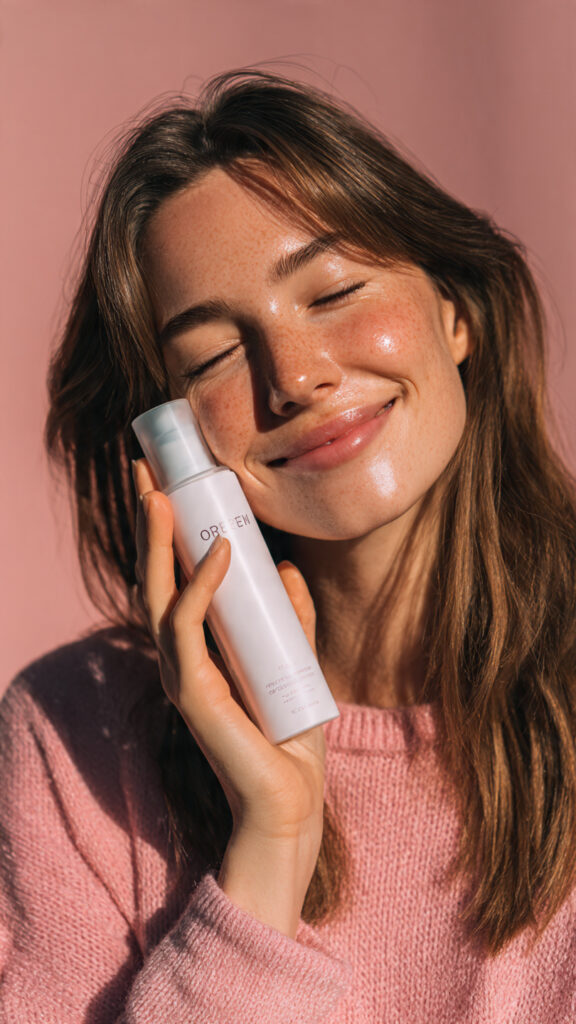
Toner has an identity crisis online. Some people swear by it. Others say it’s useless. The truth? It depends on what’s inside.
A good nighttime toner hydrates and preps your skin—not burns it. Look for niacinamide, aloe, or glycerin if your skin gets oily, reactive, or congested.
Avoid anything heavy on alcohol.
I skipped toner for months thinking it was extra—turns out my skin loved the hydration layer.
People love toner because it makes the rest of their skincare routine work better, not harder.
Exfoliation Nights (Yes, There’s a Right Time)
Exfoliation is powerful. That’s why it’s also easy to overdo. Nighttime is the best moment for it because your skin isn’t fighting UV exposure.
Use chemical exfoliants 2–3 times per week, not daily.
Look for:
- AHAs (glycolic, lactic) for dull or dry skin
- BHAs (salicylic acid) for acne-prone or oily skin
Mistake to avoid: Using exfoliants on the same night as retinol. Your skin will not thank you.
People love exfoliation nights because texture improves, glow comes back, and makeup sits better—without irritation.
Retinol: The Repair MVP (But Respect It)

Retinol is the ingredient everyone fears—and then falls in love with. It boosts collagen, speeds up cell turnover, and helps with acne, fine lines, and uneven tone.
Use a pea-sized amount. That’s it. More is not better.
Start 2–3 nights a week, then build up.
Pro tip: Sandwich retinol between moisturizer layers if your skin is sensitive.
I learned this after ignoring dryness for weeks. Big mistake.
People love retinol because results compound over time. Quiet glow. Stronger skin. Fewer “why is my face doing this?” moments.
Serums: Pick One Star, Not the Whole Cast

Your skin doesn’t need a 10-step actives marathon. One or two targeted serums per night is plenty.
Smart nighttime favorites:
- Niacinamide for redness and barrier repair
- Hyaluronic acid for hydration and plumpness
- Peptides for elasticity and recovery
Mistake to avoid: Layering too many actives “just because.” Skin isn’t impressed.
People love serums because they feel like skincare with purpose—lightweight, effective, and glow-boosting.
Eye Cream Isn’t a Scam (If You Use It Right)
The eye area is thinner and dries out faster. That’s science, not marketing.
Use a small amount of eye cream after serums. Tap gently around the orbital bone. Never rub. Ever.
Look for ceramides, peptides, or caffeine if puffiness is your issue.
I ignored eye cream until concealer started creasing. Lesson learned.
People love eye cream because rested eyes change your whole face.
Spot Treatments: Precision Over Panic
Breakouts happen. Panicking makes them worse.
Apply spot treatments only where needed. Ingredients like salicylic acid or benzoyl peroxide work best when targeted.
Do not layer spot treatments with retinol on the same area.
That’s how irritation sneaks in.
People love spot treatments because they handle problems quietly—no drama, no over-drying.
Moisturizer: Where Repair Actually Happens
This step is non-negotiable. Your skin loses more water overnight, which means moisturizer is doing real work while you sleep.
Choose a night cream with:
- Ceramides
- Squalane
- Hyaluronic acid
- Peptides
Texture matters. Thicker isn’t always better—comfortable is.
People love this step because they wake up with calm, balanced, glowing skin instead of dryness and regret.
Face Oils & Overnight Masks (Optional, Not Mandatory)
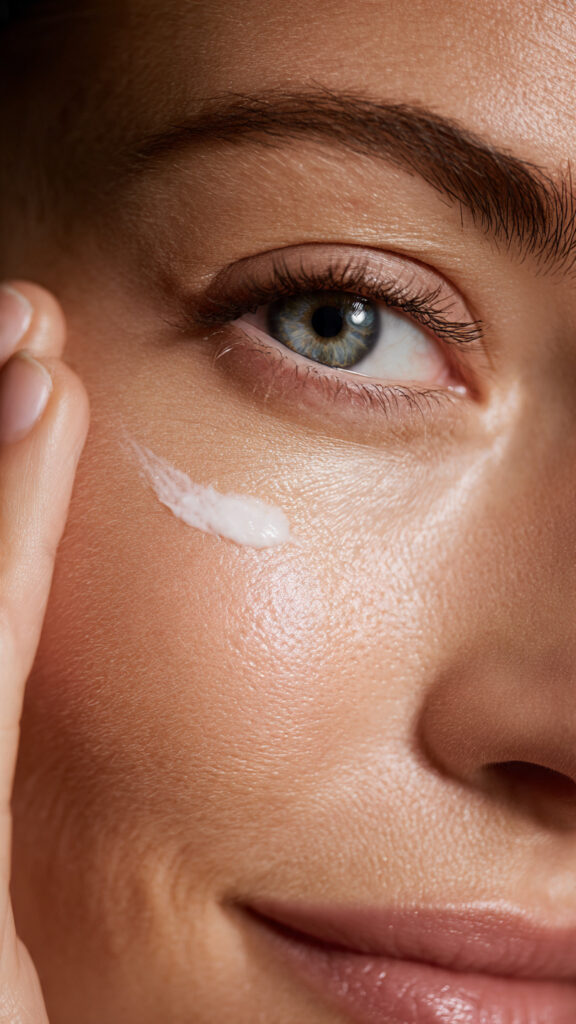
If your skin feels dull, tight, or dehydrated, this step is your upgrade.
A few drops of face oil or an overnight mask seals everything in and supports repair. Use it 2–3 times a week, not nightly.
Pro tip: Apply oil last. Always.
People love this step because it gives “I slept 8 hours” energy—even when you didn’t.
How to Build a Weekly Night Skincare Schedule
Consistency beats complexity every time.
Example:
- Mon / Thu: Retinol nights
- Tue / Sat: Exfoliation nights
- Other nights: Hydration + repair
Your skin thrives on rhythm. Not chaos.
People love routines because they remove decision fatigue and reduce mistakes.
Night Skincare Mistakes That Ruin Results
Let’s not pretend we haven’t done these:
- Over-exfoliating
- Using too many actives
- Skipping moisturizer
- Expecting instant results
Clear skin is built, not rushed.
Why Nighttime Skincare Matters More Than You Think
Your skin repairs itself while you sleep. Cell turnover increases. Barrier repair accelerates. Ingredients penetrate better.
That’s why a nighttime skincare routine is where real change happens—not trends, not hype.
People love night routines because they’re private, calming, and quietly powerful.
Final Takeaway
A nighttime skincare routine doesn’t need to be complicated—it needs to be consistent.
Clean well. Treat smart. Moisturize deeply. Repeat.
Better skin comes from fewer mistakes, not more products.
And once your skin starts repairing itself properly? You’ll never skip nights again ✨
If you loved this article, don’t miss
26 Gym Outfit Ideas So Good You’ll Forget You’re Just “Running Errands

Subscribe Weekly chic outfit ideas straight to your inbox.