DIY Facial Scrubs That Won’t Ruin Your Skin Barrier
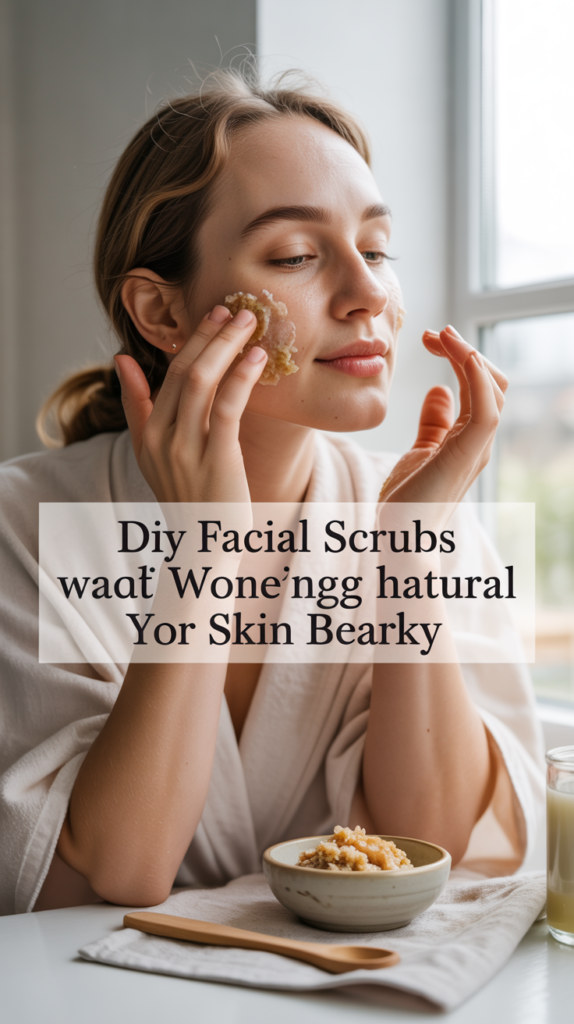
DIY skincare is everywhere—but your face isn’t a science experiment. Let’s talk about facial scrubs that actually exfoliate safely without wrecking your skin barrier.
DIY facial scrubs sound harmless. Oats. Honey. Yogurt. What could go wrong? A lot—if you don’t know what you’re doing. Dermatologists have been quietly warning us for years that many “natural” DIY scrub ingredients are too harsh for facial skin and can cause micro-tears, irritation, and long-term sensitivity .
This guide breaks it all down like a skincare-obsessed bestie would. What’s safe. What’s absolutely not. How to exfoliate based on your skin type. And how to get glowing skin without destroying your face in the process ✨
Why DIY Facial Scrubs Can Be Tricky
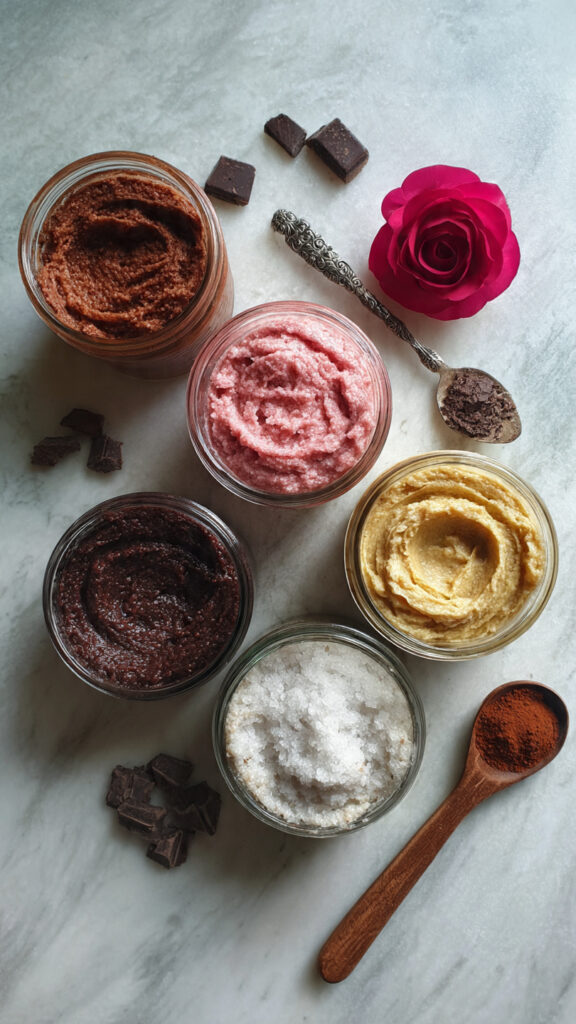
Exfoliation removes dead skin cells. That’s the goal. The problem? Facial skin is thin, delicate, and easy to damage.
Many DIY scrubs rely on ingredients that feel gritty or “effective” but actually create micro-scratches that weaken the skin barrier over time. And yes—destroying your skin barrier once is a universal experience.
People love learning this because glowing skin comes from gentle consistency, not aggressive scrubbing.
Finely Ground Oatmeal for Gentle Exfoliation
If DIY facial scrubs had a hero ingredient, it would be oatmeal.
Colloidal or finely ground oatmeal exfoliates softly without scratching. It also contains anti-inflammatory compounds that calm redness and irritation.
Pro tip: Grind oats into a powder before using. Chunky oats are not the vibe.
People love oatmeal because skin feels smoother and calmer afterward.
Honey: The Multitasking MVP

Honey exfoliates lightly, hydrates deeply, and helps balance acne-causing bacteria.
Raw or Manuka honey contains mild natural enzymes and humectant properties, meaning it pulls moisture into the skin while loosening dead cells.
I ignored honey in skincare for years. Big mistake.
People love honey scrubs because skin feels soft, hydrated, and never tight.
Yogurt for Mild Chemical Exfoliation

Yogurt isn’t just breakfast—it’s skincare science.
It contains lactic acid, a gentle AHA that dissolves dead skin cells instead of scraping them off. This makes yogurt ideal for dry or dull skin.
Mix yogurt with oatmeal or honey for balance.
People love yogurt scrubs because glow improves without irritation.
Milk & Buttermilk for Softening Texture
Milk contains lactic acid too—just milder.
Used sparingly, milk helps loosen dead cells while delivering fats and vitamins that soften the skin.
Cleopatra was onto something.
People love milk-based scrubs because skin feels smoother without being stripped.
Fruit Enzymes That Actually Work (If Used Right)
Some fruits gently exfoliate using enzymes, not grit.
Safe options include:
- Papaya (papain)
- Pineapple (bromelain)
- Pumpkin
- Apple (malic acid)
Mistake to avoid: Letting fruit sit too long. Rinse after a few minutes.
People love enzyme scrubs because skin looks brighter without physical abrasion.
Aloe Vera to Buffer Exfoliation

Aloe isn’t an exfoliant—but it makes scrubs safer.
It hydrates, reduces friction, and calms inflammation. Mixing aloe with fine exfoliants prevents irritation, especially for sensitive skin.
People love aloe because scrubs feel soothing instead of harsh.
Rice Powder for Soft Polishing

Rice powder has been used in skincare for centuries for a reason.
It’s finely textured, gentle, and helps absorb oil while brightening the complexion.
Pro tip: Grind rice until it feels like flour, not sand.
People love rice scrubs because skin looks polished, not angry.
Ingredients You Should NEVER Use on Your Face

Now for the hard truth.
Avoid these DIY scrub ingredients completely:
- Lemon juice (too acidic, causes burns and pigmentation)
- Baking soda (destroys skin pH and barrier)
- Coarse sugar or salt
- Walnut shells & apricot pits
- Coffee grounds
- Cinnamon & strong spices
- Vinegar
- Toothpaste (yes, still no)
Natural doesn’t mean safe.
People love this list because it prevents long-term damage.
Why Harsh Scrubs Cause Long-Term Problems
Scratches aren’t always visible—but they matter.
Micro-tears increase inflammation, breakouts, and sensitivity over time. Dermatologists link aggressive scrubs to premature aging and compromised skin barriers .
People love learning this because it explains why “scrub harder” never worked.
DIY Scrubs by Skin Type (Because One Size Never Fits All)
Dry Skin Needs Nourishment
Dry skin exfoliates best with hydration built in.
Use:
- Oatmeal
- Honey
- Yogurt
- Almond meal
Limit exfoliation to once a week.
People love this approach because flakes disappear without tightness.
Oily Skin Needs Balance
Oily skin can exfoliate slightly more—but still gently.
Use:
- Rice powder
- Fruit enzymes
- Honey
- Clay masks with gentle massage
Avoid heavy oils.
People love this because pores stay clear without triggering more oil.
Sensitive Skin Needs Extreme Caution
If your skin reacts easily, physical scrubs may not be for you.
Best options:
- Oatmeal + yogurt
- Lactic acid (very mild)
- Soft washcloth exfoliation
Exfoliate once a week or less.
People love gentler methods because redness finally calms.
Acne-Prone Skin Needs Precision
Scrubbing active acne can worsen inflammation.
Use:
- Honey (antibacterial)
- Fruit enzymes
- Clay masks
Mistake to avoid: Scrubbing pimples directly.
People love targeted exfoliation because breakouts heal faster.
How Often Should You Exfoliate?
More is not better.
General guidelines:
- Oily skin: 2–3x per week
- Dry or sensitive skin: 1x per week
- Acne-prone skin: 1–2x per week
Over-exfoliation causes breakouts, redness, and peeling.
People love realistic schedules because skin finally stabilizes.
Proper Scrubbing Technique (This Matters)
How you scrub is just as important as what you use.
Pro tips:
- Cleanse first
- Use damp skin
- Gentle circular motions
- 30–60 seconds max
If it hurts, stop.
People love proper technique because irritation drops immediately.
Always Moisturize After Exfoliating

This step is non-negotiable.
Exfoliation temporarily weakens the barrier. Moisturizer restores hydration and protects fresh skin cells.
Look for:
- Ceramides
- Glycerin
- Hyaluronic acid
People love post-scrub hydration because glow lasts longer.
Sunscreen After Scrubs Is Mandatory
Exfoliated skin is more sun-sensitive.
Wear SPF 30+ daily, especially after using fruit enzymes or acids.
Is sunscreen optional? Absolutely not.
People love this reminder because it prevents pigmentation and damage.
Patch Testing Saves Skin (Seriously)
DIY doesn’t mean risk-free.
Always test scrubs on your inner arm or behind the ear first. Wait 24–48 hours.
People love patch testing because it prevents full-face regret.
Common DIY Mistakes That Backfire
Let’s call these out:
- Leaving scrubs on too long
- Using multiple exfoliants at once
- Scrubbing daily
- Ignoring irritation signals
We’ve all done it.
People love learning this because fewer mistakes = better skin.
When to Skip DIY and See a Pro
If you have:
- Rosacea
- Severe acne
- Eczema
- Persistent irritation
DIY scrubs may not be for you. Dermatologists exist for a reason.
People love knowing when to stop experimenting.
Final Takeaway
DIY facial scrubs can work—but only when done gently and intelligently.
Skincare works best when it’s consistent, not complicated.
Choose safe ingredients. Exfoliate lightly. Protect your barrier.
Glowing skin isn’t about scrubbing harder—it’s about treating your face like it matters ✨
If you loved this article, don’t miss
26 Gym Outfit Ideas So Good You’ll Forget You’re Just “Running Errands

Subscribe Weekly chic outfit ideas straight to your inbox.