Best Cleansers for Sensitive Skin Dermatologists Trust

If your skin stings, turns red, or throws a tantrum every time you wash your face, welcome to the sensitive-skin club. Membership is large. Very large. And the biggest mistake people make? Using the wrong cleanser and blaming everything else.
A dermatologist-approved cleanser for sensitive skin doesn’t foam aggressively, doesn’t smell like a botanical garden, and doesn’t leave your face feeling tight. It supports your skin barrier instead of bullying it. Because yes—destroying your skin barrier once is basically a universal experience.
Let’s talk about the cleansers dermatologists actually trust in 2025–26, why they work, and how to use them without overthinking your skincare routine ✨
Why Your Cleanser Matters More Than You Think
Your cleanser touches your skin twice a day. Every day. That alone makes it one of the most important steps in your skincare routine.
Sensitive skin often has a weakened barrier, which means harsh surfactants, fragrance, or alcohol can cause redness, burning, and breakouts. A good cleanser protects that barrier instead of stripping it.
Mistake to avoid: Thinking “stronger = cleaner.”
People love gentle cleansers because their skin finally calms down instead of reacting.
La Roche-Posay Toleriane Hydrating Gentle Cleanser
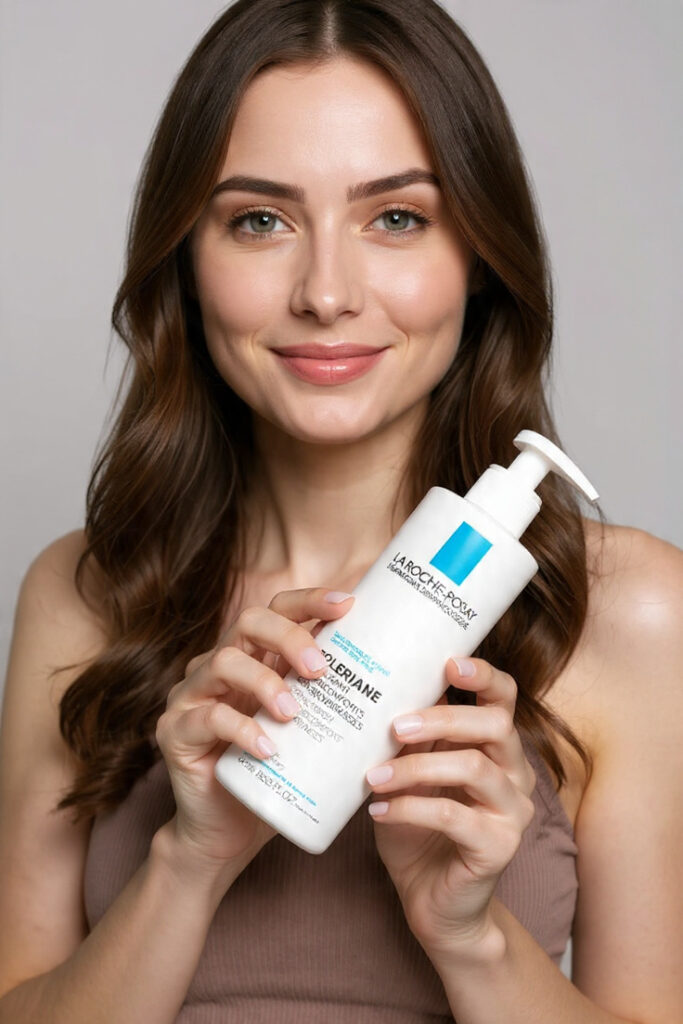
This cleanser is basically the gold standard for sensitive skin—and for good reason.
Its creamy, non-foaming texture removes makeup and impurities while keeping skin comfortable. It’s packed with ceramides, niacinamide, glycerin, and La Roche-Posay’s prebiotic thermal water, which helps rebalance stressed skin.
Pro tip: Massage it onto damp skin and rinse with lukewarm water—never hot.
People love it because skin feels clean, soft, and soothed, not tight or irritated.
Skinfix Barrier+ Ceramide + Ectoin Cleanser
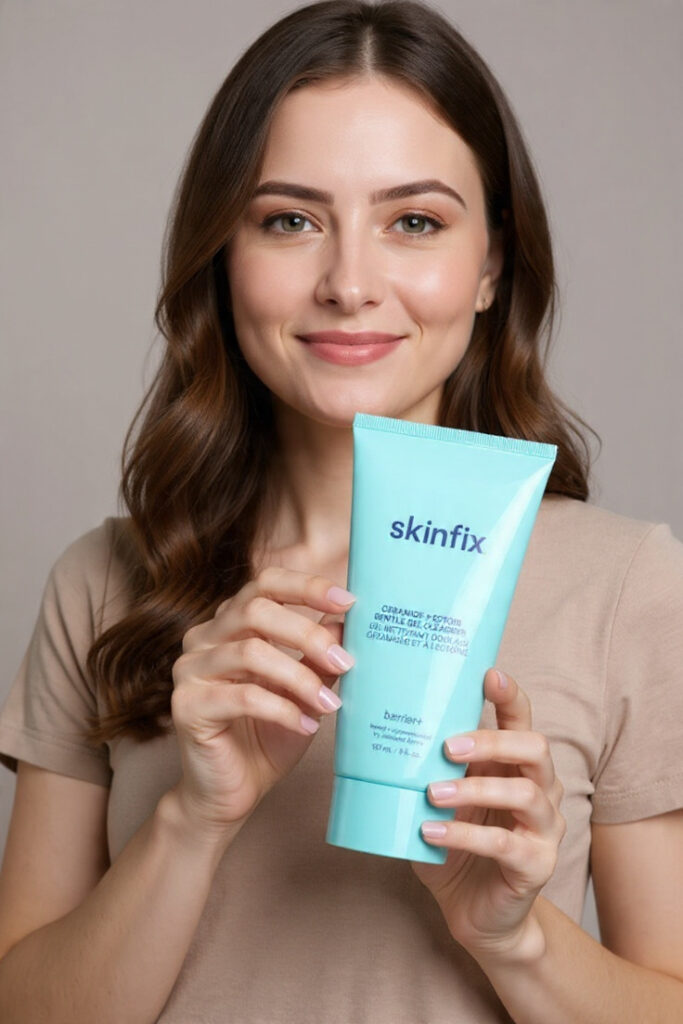
If your sensitive skin is also flaky, rough, or inflamed, this one is a standout.
The gel-to-foam texture feels light but effective, and the formula includes ceramides and ectoin—a powerful moisture-binding ingredient that helps reduce inflammation and smooth texture.
It’s fragrance-free and designed specifically for compromised skin barriers.
People love it because redness calms down and rough patches finally feel smooth.
Dieux Baptism Gentle Foaming Gel Cleanser

Yes, foaming cleansers can work for sensitive skin—when they’re done right.
This one uses glycerin and betaine to cushion the skin while cleansing. The surfactants are coconut-derived and extremely mild, so you get a soft lather without irritation.
Mistake to avoid: Scrubbing harder because it foams. You don’t need to.
People love this cleanser because it feels fresh and clean without triggering sensitivity.
CeraVe Hydrating Face Wash
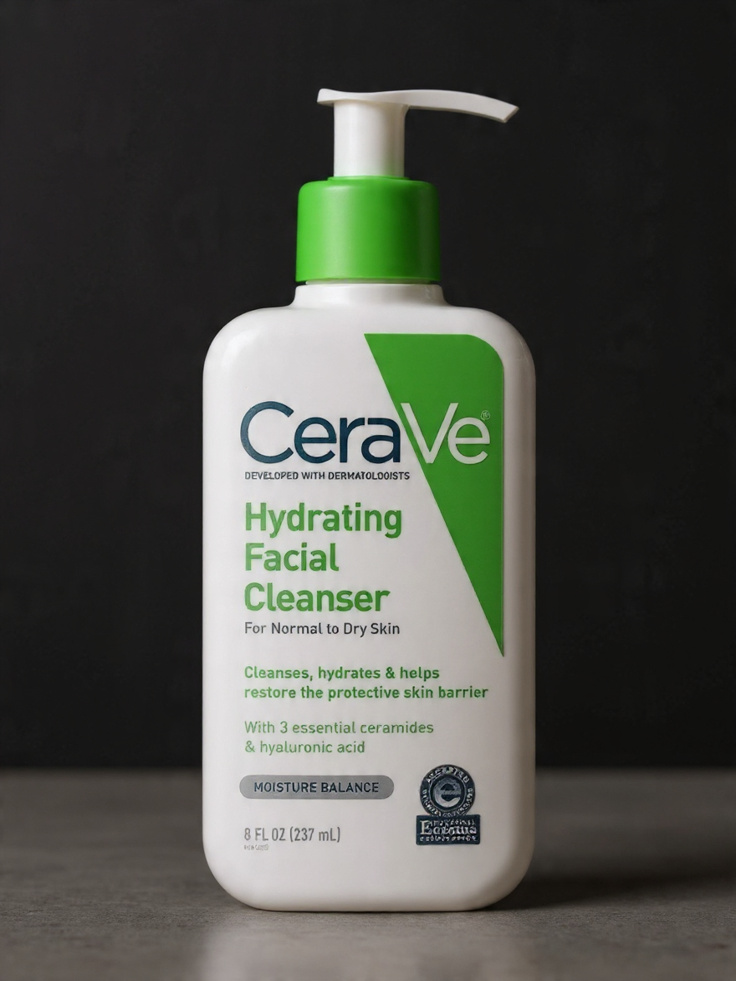
If sensitive skin had a comfort blanket, this would be it.
Dermatologists love this cleanser because it contains three essential ceramides and hyaluronic acid, which cleanse while reinforcing the skin barrier. It’s fragrance-free, non-comedogenic, and approved by the National Eczema Association.
I ignored this cleanser for years because it looked “basic.” Big mistake.
People love it because it works quietly and consistently for clear skin.
What All Dermatologist-Approved Cleansers Have in Common
Different brands, different textures—but the same core principles.
They all:
- Support the skin barrier
- Clean without stripping
- Avoid fragrance and harsh alcohols
Sensitive skin doesn’t need excitement. It needs stability.
People love these formulas because their skin stops overreacting.
Ingredients Sensitive Skin Actually Loves
Reading labels matters more than hype.
Look for:
- Ceramides to repair the barrier
- Glycerin for long-lasting hydration
- Hyaluronic acid to keep skin plump
- Niacinamide to calm redness
Avoid sulfates, strong botanical extracts, and heavy fragrance.
People love ingredient-smart cleansers because results feel predictable.
Ingredients to Avoid if Your Skin Is Sensitive
This is where most reactions start.
Avoid:
- Fragrance (even “natural”)
- Drying alcohols
- Harsh sulfates
- Strong essential oils
Some swear their skin “got used to it.” Dermatologists don’t agree.
People love avoiding these ingredients because irritation finally stops.
How to Cleanse Without Triggering Sensitivity
Technique matters just as much as the product.
Pro tips:
- Use lukewarm water only
- Cleanse for 30–60 seconds
- Pat dry with a clean towel
Mistake to avoid: Cleansing multiple times “just in case.”
People love gentle techniques because skin stays calm all day.
Morning vs Night Cleansing for Sensitive Skin
Yes, both matter—but they serve different purposes.
Morning cleansing removes sweat and overnight oil buildup.
Night cleansing removes sunscreen, makeup, and pollution.
If your skin is extremely sensitive, use the same gentle cleanser both times.
People love consistency because their skin stops feeling confused.
Foaming vs Cream Cleansers: Which Is Better?
There’s no universal winner—it depends on your skin.
- Cream cleansers work best for dry, reactive skin
- Gentle foaming cleansers suit combo or acne-prone sensitive skin
What matters most is the surfactant quality, not the foam level.
People love choosing the right texture because cleansing feels comfortable again.
How Often Should Sensitive Skin Cleanse?
Twice daily is enough. More isn’t better.
Over-cleansing weakens the skin barrier and increases sensitivity.
Some swear by washing after every face touch—dermatologists do not.
People love simple rules because fewer steps mean fewer flare-ups.
Can Sensitive Skin Double Cleanse?
Yes—but gently.
If you wear makeup or sunscreen, start with a mild oil cleanser or micellar water, followed by your regular gentle cleanser.
Pro tip: Avoid fragranced cleansing balms.
People love gentle double cleansing because pores stay clear without irritation.
When Your Cleanser Might Be the Problem
If your skin:
- Feels tight after washing
- Burns when applying products
- Looks red for hours
Your cleanser is likely too harsh.
People love switching cleansers because their skin instantly feels relieved.
How Long Until You See Results?
With the right cleanser, irritation improves quickly.
Within days:
- Less redness
- Less stinging
- Better hydration
Clear skin builds over weeks.
People love realistic timelines because they stop product-hopping.
Pairing Your Cleanser With the Right Routine
A great cleanser sets the tone for everything else.
Follow with:
- A gentle hydrating serum
- A barrier-repair moisturizer
- Sunscreen every morning
Is sunscreen optional? Absolutely not.
People love complete routines because results finally last.
Final Takeaway
The best cleanser for sensitive skin doesn’t impress with foam or fragrance—it protects your barrier and keeps skin calm.
Skincare works best when it’s consistent, not complicated.
Choose gentle. Clean smart. Let your skin relax for once ✨
If you loved this article, don’t miss
26 Gym Outfit Ideas So Good You’ll Forget You’re Just “Running Errands

Subscribe Weekly chic outfit ideas straight to your inbox.